
Warehouse Management: How to Run Faster, More Accurate Fulfillment (With KPIs, Checklists, and a 30/60/90 Plan)

Warehouse management decides whether your orders ship cleanly or turn into daily fire drills. When your receiving team logs the wrong quantity, your pickers start “hunting,” your packing station gets backed up, and your customer support inbox fills with “Where is my order?”

This guide breaks warehouse management into the exact warehouse operations you need to control, the warehouse KPIs that show what is really happening, and the fixes you can apply without guessing. You will also get a practical 30/60/90-day improvement plan you can run even if you manage multiple sales channels.

Warehouse Management Basics

Warehouse management is how you run the storage, movement, and handling of inventory inside your warehouse so orders move from inbound receiving to outbound shipping with speed and accuracy. It covers your daily processes like warehouse receiving, warehouse putaway, inventory storage, order picking, packing, shipping, and reverse logistics.

You can manage these workflows with paper and spreadsheets when volume stays low. Once SKU count rises, orders spike, or you add channels, you need tighter controls, better inventory accuracy discipline, and usually a warehouse management system (WMS) to track work in real time.

Warehouse Management vs Inventory Management

People mix these up, and that leads to bad decisions.

Warehouse management focuses on what happens inside the building. It covers:

  • How you receive and verify inbound cartons and pallets

  • How you assign locations and store SKUs

  • How you pick, pack, stage, and ship orders

  • How you manage exceptions, damages, and returns processing

  • How you measure throughput, accuracy, and labor productivity

Inventory management focuses on what you own and where it sits across your business. It covers:

  • What you have on hand by SKU

  • What you need to reorder and when

  • What should move to another node

  • What sits too long and ties up cash

They overlap at inventory accuracy. If your warehouse processes leak errors, your inventory planning numbers stop matching reality.

The Core Warehouse Management Processes

You can improve warehouse management fastest when you treat it like a chain. Each step feeds the next. If you fix the wrong step, the problem moves downstream and shows up again.

Receiving

Receiving sets your inventory accuracy baseline. If you log the wrong quantity or miss damaged units, you will pay for it later with mispicks and stockouts.

Strong receiving looks like this:

  • You match inbound against purchase orders or ASN data

  • You count cartons or cases, then verify unit quantities for high-risk SKUs

  • You tag inventory with scannable labels before it leaves the dock

  • You quarantine anything damaged, leaking, or missing key components

  • You record exceptions the same day, not at month end

Receiving shortcuts feel fast. They usually create slow chaos later.

Quality Checks at the Dock

Not every item needs deep inspection. You still need a simple rule set.

Use a tiered approach:

  • Tier 1: high value items, serialized goods, regulated products, fragile goods
    Inspect every inbound unit.

  • Tier 2: mid value items with known supplier variability
    Inspect a sample per carton or per lot.

  • Tier 3: stable commodity items
    Inspect for obvious damage and count accuracy.

This keeps your dock moving while protecting the SKUs that cause the most expensive errors.

Putaway

Warehouse putaway decides your pick speed for the next month. Poor putaway makes every order take longer.

A clean putaway flow includes:

  • A clear staging lane for “to be put away”

  • Location assignment rules, not “wherever it fits”

  • Scan-to-confirm at the bin, shelf, or pallet position

  • A rule for partial pallets and loose units

Putaway is also where you prevent “ghost inventory,” where the system shows stock but your team cannot find it.

Inventory Storage and Location Assignment

Your storage strategy must match your SKU profile. Fast movers need fast access. Slow movers can sit deeper.

At a minimum, define:

  • Pick faces for daily picking (bins or shelves)

  • Reserve storage for bulk replenishment (pallet racks)

  • Quarantine for damaged, suspect, or held inventory

  • Returns area for reverse logistics sorting

If you sell across Shopify, Amazon, marketplaces, and wholesale, location control becomes more important. Small count errors multiply when you allocate inventory across channels.

Slotting

Warehouse slotting is how you place products to cut walking, reduce congestion, and lower pick errors. You do not need a perfect slotting model to get strong gains.

Start with “golden zone” slotting:

  • Place fast-moving SKUs between knee and shoulder height

  • Keep heavy items low

  • Keep fragile items stable and protected

  • Keep commonly paired SKUs near each other

  • Keep oversized items in a defined zone, not mixed into standard aisles

Re-slot on a schedule. If your demand shifts monthly, slotting should shift monthly too.

Order Picking

Order picking is where most labor time goes. It is also where most accuracy problems begin.

Common picking methods:

  • Single order picking: one order at a time
    Works for low volume, high complexity.

  • Batch picking: pick many orders in one route, sort later
    Works for many small orders.

  • Zone picking: pickers stay in a zone, orders move between zones
    Works for larger footprints.

  • Wave picking: pick in timed waves aligned to carrier cutoffs
    Works when you run strict outbound schedules.

Choose based on your order shape. If most orders contain 1 to 3 units, batch picking often beats single picking. If orders contain many lines, zone picking can reduce walking and keep pickers focused.

Packing

Packing protects your margin. Poor packing triggers damages, returns, reships, and support tickets.

Strong packing includes:

  • Standard pack guidelines by product type

  • Right-size packaging rules to avoid excess dimensional weight

  • Scan-to-verify at packout to prevent wrong-SKU shipments

  • A clear exception lane for “cannot pack” issues

If you run kitting, bundles, or inserts, packing needs standard work instructions and trained checks so you do not rely on memory.

Shipping and Staging

Shipping becomes smoother when you separate “work in progress” from “ready to go.”

A clean outbound setup uses:

  • A staging area sorted by carrier and service level

  • A rule for cutoffs and late orders

  • A scan event at “ship confirm” so tracking updates immediately

  • A daily process to clear leftover staged cartons

Shipping problems often hide in staging. If staged volume grows, your packing station may look fine while your dock quietly becomes the bottleneck.

Reverse Logistics and Returns Processing

Reverse logistics creates hidden warehouse load. If your team processes returns “when they get to it,” inventory accuracy drops, and resale value falls.

A strong returns processing flow includes:

  • Intake scan and photo documentation for high-risk items

  • Condition codes that match your resale rules

  • A clear decision path: restock, refurbish, quarantine, dispose

  • A fast path for “unopened, resale-ready” returns

  • A slow path for testing, cleaning, or inspection

Returns also give you feedback. If you track return reasons and item condition, you can spot product issues and reduce future volume.

Warehouse Layout, Slotting, and Pick Paths That Reduce Walking

Most warehouses waste time on travel. You can cut travel without buying new equipment.

Start with three practical layout rules:

  1. Keep inbound and outbound separate when possible
    Mixing docks creates cross-traffic and interruptions.

  2. Reduce cross-aisle movement
    Design pick paths that flow in one direction. Avoid backtracking.

  3. Protect high-frequency zones
    Keep fast movers away from heavy equipment traffic lanes.

Quick Slotting Checklist

Use this checklist during a weekly walk-through:

  • Do fast movers sit close to pack stations

  • Do top paired SKUs sit near each other

  • Do pickers cross forklift lanes during normal routes

  • Do you see “random overflow” bins that keep growing

  • Do you see lots of open cases stored in multiple places

If you answer yes to the last two, you likely need a better replenishment process and clearer location rules.

Warehouse KPIs That Actually Change Outcomes

You can track dozens of warehouse KPIs and still miss the real issue. Focus on metrics that tell you what to fix next.

Warehouse Management Scorecard

Use this as your weekly scorecard. Set a baseline first, then tighten targets as you stabilize.

KPI What it Measures What “Bad” Usually Means First Fix to Try
Inventory accuracy System count vs physical count Receiving errors, unscanned moves, unmanaged returns Tighten receiving counts and scan-to-confirm moves
Order accuracy Correct items and quantities shipped Pick verification gaps, label issues, pack mistakes Add scan checks at pick and pack
Pick rate Picks per hour Poor slotting, long travel paths, unclear pick lists Re-slot fast movers and simplify pick paths
Dock-to-stock time Time from receiving to available stock Bottleneck at putaway, unclear location assignment Add putaway waves and clear location rules
Order cycle time Order release to ship confirm Congestion, batching errors, poor wave planning Align waves to carrier cutoffs
On-time shipment rate Orders shipped by promised cutoff Staging overload, late picks, carrier handoff issues Add staging discipline and exception lanes
Return processing time Receipt to disposition Returns sitting unworked, unclear grading rules Create a fast path for resale-ready items
Damage rate Damages per shipped unit Poor packaging, handling issues Standard pack rules and training refresh
Backorder rate Orders unfilled due to stock gaps Inaccurate inventory, poor replenishment Improve cycle counting and reorder triggers
Labor utilization Productive time vs total time Too much travel, too many interruptions Reduce walking and formalize exception handling

You do not need perfect targets on day one. You need consistency and clean measurement.

Cycle Counting for Inventory Accuracy

Cycle counting beats annual “wall-to-wall” counts for most ecommerce operations. It keeps inventory accuracy stable without shutting down.

A practical cycle count approach:

  • Count fast movers weekly

  • Count medium movers monthly

  • Count slow movers quarterly

  • Count any SKU that triggers repeated stockouts or mispicks

Count by location, not by SKU list. Location-based counts expose wrong putaway and unscanned movement.

Warehouse Management System (WMS): When You Need One and What It Should Do

A warehouse management system (WMS) helps you control inventory location, guide picking and putaway, and capture scan events in real time. A WMS does not fix broken processes by itself. It makes your processes visible, which helps you correct them.

Signs You Need a WMS

You likely need a WMS if you see any of these patterns:

  • You cannot trust on-hand inventory across channels

  • Pickers rely on memory or “tribal knowledge”

  • You lose time searching for stock that “should be there”

  • You ship the wrong items too often

  • You struggle to train new staff fast enough

  • Your warehouse expands and your layout shifts often

What to Look for in a WMS

Keep the selection grounded in workflows:

  • Location management with scan confirmation

  • Task management for receiving, putaway, replenishment, picking

  • Support for batch, zone, and wave picking

  • Exception handling with clear status codes

  • Reporting that shows bottlenecks and error patterns

  • Integrations with ecommerce platforms, ERPs, and shipping tools

If your WMS cannot capture clean scan events, you will still fight inventory accuracy issues.

WMS vs WCS

You may also hear about a warehouse control system (WCS). A WCS focuses on controlling material handling equipment and the physical flow through conveyors, sorters, and automation. A WMS focuses on the work and the inventory logic. Some operations run both, especially when automation grows.

Common Warehouse Management Problems and Fixes

One of the most common warehouse management issues is when the system shows inventory on hand, but staff cannot physically locate it. This problem almost always starts upstream. In most cases, inventory accuracy breaks down during receiving when quantities are logged incorrectly, during putaway when items are moved without a scan confirmation, or during returns processing when products are restocked without proper inspection and system updates. Over time, these small gaps compound and create “phantom inventory.” The fastest fix is to tighten receiving verification for high-risk SKUs, require scan confirmation for every location change, and enforce a structured returns processing flow with clear disposition rules before any item goes back into active inventory.

Another frequent issue appears when pickers spend excessive time walking yet still miss items. This usually signals poor warehouse slotting and inefficient pick path design rather than individual performance problems. When fast-moving SKUs sit too far from packing stations, or frequently paired products are stored in different aisles, picker travel time increases and error rates climb. The fix starts with re-slotting top-volume items into accessible pick faces, grouping commonly ordered SKUs together, and separating oversized or heavy products into dedicated zones. In many cases, switching from single-order picking to batch picking can immediately reduce walking distance when order profiles support it.

Packing delays that build up every afternoon often point to release timing and capacity mismatches rather than slow packers. When orders are released without regard to carrier cutoffs or packing station limits, congestion forms downstream even if earlier stages look healthy. This creates last-minute scrambles, late shipments, and rushed quality checks. The most effective fix is to align order waves with carrier schedules, stage packing materials ahead of peak periods, and establish a clear exception lane so packers do not pause their work to resolve inventory or system issues.

Returns processing is another area where warehouse management quietly breaks down. When returned items sit untouched, inventory accuracy deteriorates and resale value drops. Teams often treat returns as low priority, which creates backlogs that distort available stock numbers. A structured reverse logistics process resolves this quickly. Daily return processing targets, a fast path for unopened and resale-ready items, and defined inspection workflows for damaged or used products prevent returns from overwhelming the operation. Tracking return reasons and item condition also helps reduce future volume by identifying product or listing issues earlier.

Each of these problems shares the same root cause: missing process discipline rather than missing effort. Warehouse management improves fastest when errors are caught where they start, workflows are enforced consistently, and exceptions are visible instead of hidden. When those fundamentals are in place, accuracy rises, throughput stabilizes, and teams spend less time reacting to problems and more time shipping orders correctly.

Warehouse Management Checklist You Can Use This Week

Use this checklist in a floor walk and in your weekly ops meeting.

Inbound Checklist

  • Match inbound to purchase order or ASN

  • Count and scan at receiving

  • Tag inventory before it leaves the dock

  • Quarantine damaged or suspect items

  • Track dock-to-stock time daily

Storage and Slotting Checklist

  • Maintain clear pick faces and reserve storage

  • Replenish pick faces on a schedule

  • Keep fast movers in the golden zone

  • Keep paired SKUs close

  • Keep overflow under control with defined rules

Picking Checklist

  • Choose a picking method that fits order shape

  • Use scan checks to confirm SKUs

  • Train on exception handling, not just “happy path” picking

  • Track pick rate and mispick causes

Packing and Shipping Checklist

  • Standardize pack rules by item type

  • Verify at packout with scanning

  • Stage by carrier and service level

  • Ship confirm the same day

  • Track on-time shipment rate and late order causes

Returns Checklist

  • Intake scan and disposition rules

  • Fast path for resale-ready items

  • Slow path for inspection or refurbishment

  • Track return processing time and return reasons

A 30/60/90-Day Warehouse Management Improvement Plan

Improving warehouse management works best when changes follow a sequence. Trying to optimize everything at once usually creates more disruption than progress. A 30/60/90-day approach lets you stabilize inventory accuracy first, then improve throughput, and finally scale operations with stronger systems and reporting.

The plan below assumes your warehouse is already operational and shipping orders daily.

Days 1–30: Stabilize Inventory Accuracy and Stop Operational Leaks

The first 30 days focus on correcting the issues that quietly undermine warehouse management: inaccurate receiving, unmanaged inventory movement, and delayed returns processing. These problems create downstream chaos that no amount of picking speed can fix.

During this phase, the goal is not speed. The goal is trust. You want confidence that what the system shows matches what is physically on the shelf.

Focus Area What to Fix Why It Matters
Receiving accuracy Tighten inbound verification for high-risk SKUs and require quantity checks Receiving errors compound into stockouts and mispicks
Putaway discipline Enforce scan-to-confirm for every location assignment Prevents inventory from “disappearing” inside the warehouse
Returns processing Create daily return intake and disposition rules Unprocessed returns distort inventory counts
Cycle counting Start a rotating cycle count schedule Maintains ongoing inventory accuracy
KPI baseline Establish initial warehouse KPIs You cannot improve what you do not measure

By the end of day 30, inventory accuracy should be measurably better, return backlogs should be shrinking, and warehouse KPIs should reflect reality rather than estimates.

Days 31–60: Improve Throughput With Better Slotting and Picking Methods

Once inventory accuracy stabilizes, the next constraint is almost always movement. Excess walking, congestion, and inefficient pick paths slow order fulfillment and frustrate staff.

This phase focuses on slotting optimization and picking workflows that match your order profile. Small layout changes often unlock large gains.

Focus Area What to Optimize Expected Outcome
Slotting Move fast-moving SKUs into golden zone pick faces Reduced picker travel time
SKU grouping Place commonly ordered items near each other Fewer mispicks and faster picks
Picking method Test batch, zone, or wave picking where applicable Higher pick rates without added labor
Wave planning Align order release with carrier cutoffs Fewer late shipments
Pack verification Add scan checks at packout if missing Lower order error rates

By day 60, order cycle time should drop, pick rates should rise, and outbound flow should feel more predictable instead of rushed.

Days 61–90: Scale With Reporting, Exception Control, and Systemization

The final phase prepares your warehouse management process for growth. At this stage, the goal is consistency. You want repeatable performance that does not depend on individual experience or constant supervision.

This is also when many operations reassess whether existing tools still support the business or if stronger warehouse management system functionality is needed.

Focus Area What to Systemize Business Impact
Exception handling Standardize exception codes and resolution paths Faster problem resolution
Reporting Review KPIs weekly and track root causes Continuous improvement instead of firefighting
Labor planning Match staffing to volume patterns Lower overtime and burnout
Replenishment rules Formalize pick-face replenishment triggers Prevent mid-shift stockouts
Scalability review Evaluate WMS or fulfillment support needs Supports growth without breakdowns

By day 90, warehouse management should feel controlled rather than reactive. Inventory numbers should be reliable, throughput should scale without constant adjustments, and leadership should have visibility into where time and money are being spent.


When Outsourcing Warehouse Management Makes Sense

At a certain point, running warehouse management in-house stops being a competitive advantage and starts draining time, cash, and focus.

Outsourcing often makes sense when:

  • You need to ship from more than one region

  • Your volume swings hard with seasonality

  • You need consistent on-time shipment performance without hiring surges

  • Your team spends too much time on fulfillment instead of growth

  • You want better visibility without building a complex tech stack

If you want to outsource while keeping visibility into inventory accuracy, orders, and exceptions, prioritize partners that give you real-time reporting and disciplined processes, not just storage space.

If you want to see how real-time inventory control can work without living in spreadsheets, review real-time inventory management options


FAQs

What is the goal of warehouse management?

The goal is to move inventory through receiving, storage, picking, packing, and shipping with speed and accuracy while keeping inventory records aligned with what sits on the shelf.

What is the difference between warehouse management and inventory management?

Warehouse management controls the physical workflows inside the warehouse. Inventory management controls stock levels, reorder planning, and where inventory sits across the business.

What are the most important warehouse KPIs?

Start with inventory accuracy, order accuracy, dock-to-stock time, pick rate, order cycle time, on-time shipment rate, and return processing time. These KPIs point directly to process fixes.

What causes low inventory accuracy?

Receiving errors, unscanned location moves, unmanaged returns, and inconsistent cycle counting cause most inventory accuracy problems.

When should you switch picking methods?

Switch when your order shape changes. If you ship many small orders, batch picking often improves throughput. If you manage a large footprint, zone picking can reduce travel and congestion.

Do you need a warehouse management system (WMS)?

You may need a WMS when you add SKUs, channels, staff, or locations and you cannot rely on memory and spreadsheets. A WMS helps you capture scan events and control inventory locations in real time.

Final Thoughts

Warehouse management improves fastest when you stop guessing and start controlling the steps that create errors. Lock down receiving, putaway, and returns first. Then fix slotting and pick paths. After that, scale through reporting, consistent exception handling, and the right WMS support for your workflows.

If you want to simplify warehouse management while keeping real-time visibility into inventory and order flow, you can talk to Rush Order’s team here: Get a Quote.


Read Also:

Understanding 3PL Partnerships

How to Choose the Right 3PL Provider

The Ultimate Guide to 3PL Software

How Much Does a 3PL Cost?

10 Winning 3PL Sales Strategies

What is 3PL Inventory Management?

What Is a 3PL Freight Broker?

Mastering 3PL Contracts

3PL and Last Mile Delivery

3PL Pick and Pack Explained

The Real Deal on 3PL Outsourcing

Omnichannel 3PL

Understanding and Optimizing Fulfillment Costs

In-House Fulfillment: When Keeping It Internal Makes Sense and When It Doesn’t

3PL Fulfillment: How Smart Outsourcing Powers High-Growth Brands

What 3PL Fulfillment Companies Actually Do, and How to Pick the Right One

The Shipping Process: How It Works, What It Includes, and How You Can Improve It

Shipping Policy Guide 2026: What To Include, How To Write It, And Free Templates

Shipping Zones: What They Mean, How They Work, and How They Shape Your Shipping Costs

Sea Freight vs Air Freight Cost: 2026 Comparison Guide

How to Calculate Inventory Turnover for Ecommerce and Fulfillment Teams

Previous
Previous

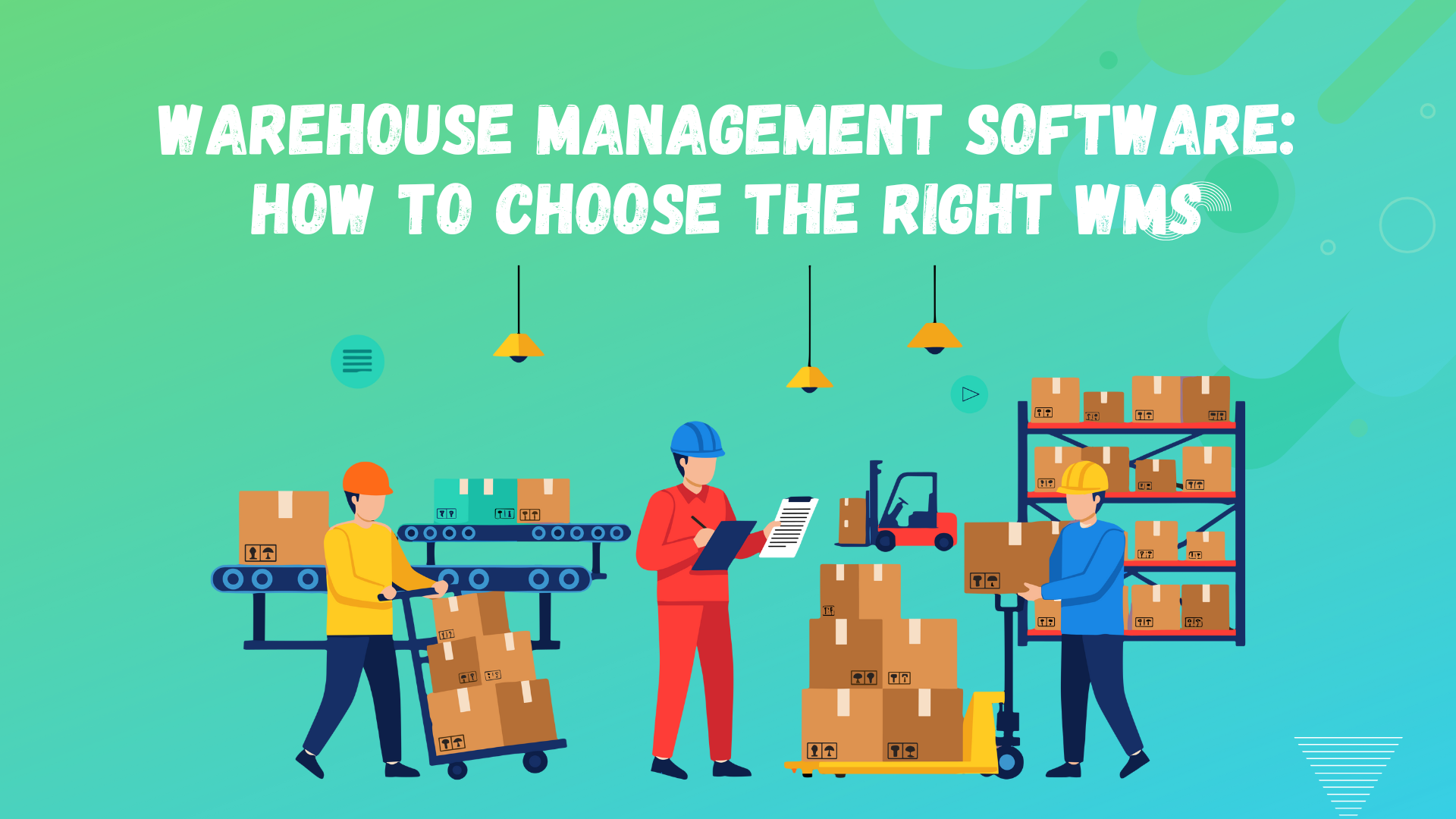
Warehouse Management Software: How to Choose the Right WMS and Fix the Warehouse Issues That Slow You Down
Next
Next

How to Calculate Inventory Turnover for Ecommerce and Fulfillment Teams